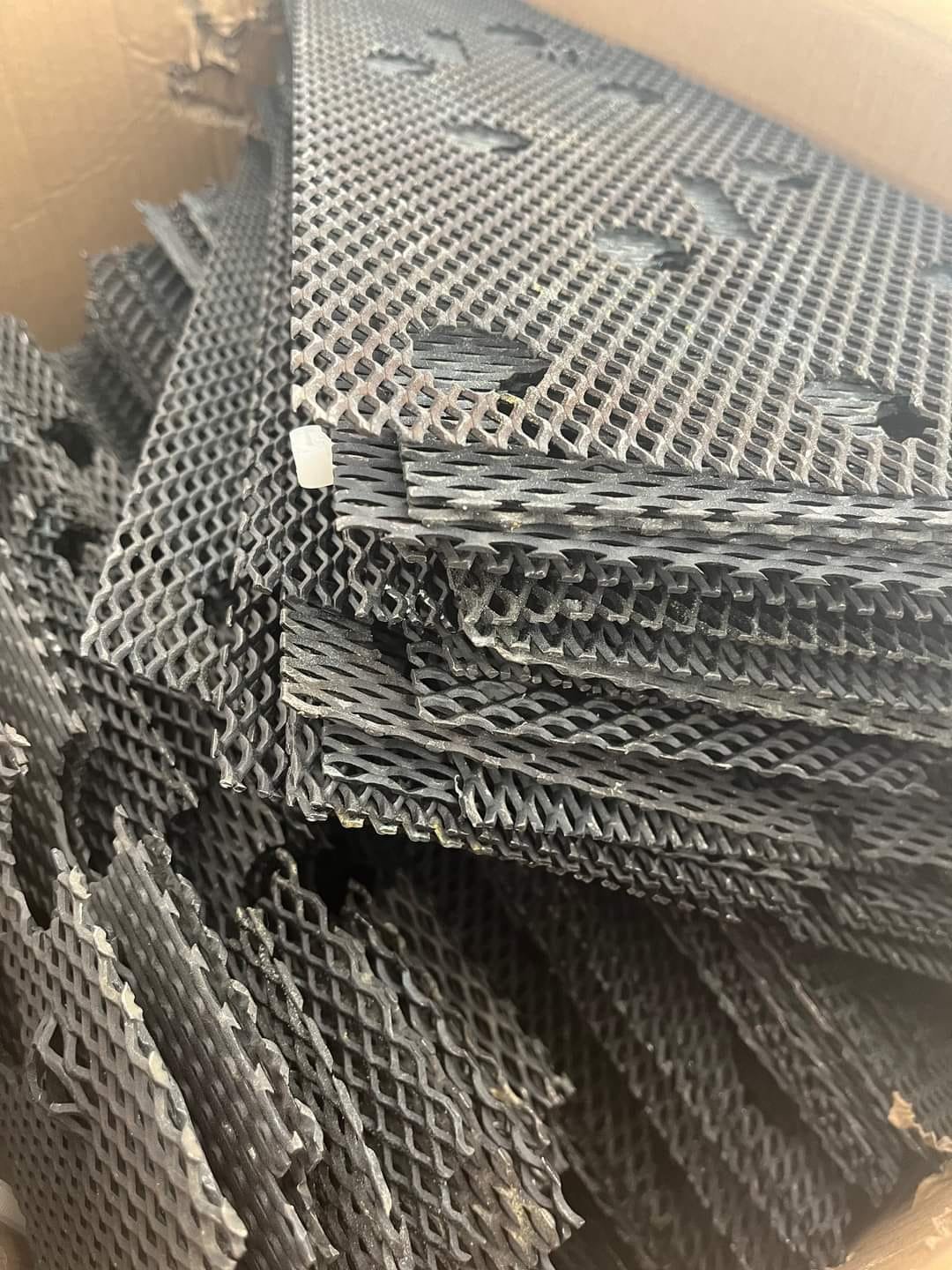

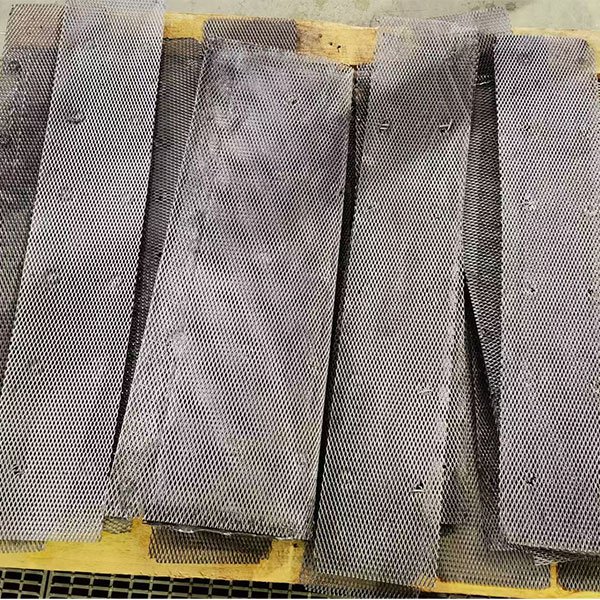
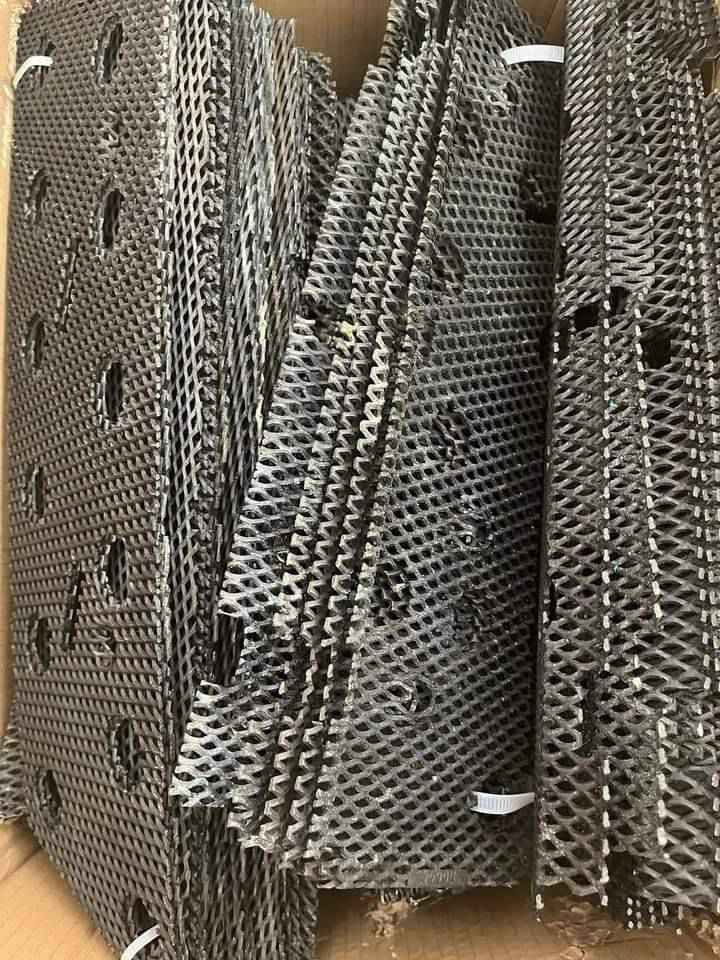
Black Titanium Mesh Scrap For Sale. Buy quality Black titanium scrap such as mesh/sheet/anode/plate Titanium scrap & Nickel mesh scrap Wholesale. Stable and large demand for iridium coated titanium scraps, titanium scraps, black titanium meshes and titanium sheets.
What is Titanium Anode Mesh?
Before understanding the value of scrap, let’s first explore what titanium anode mesh is. Companies use titanium anode mesh extensively in the electrochemical industry, particularly in processes like electrolysis and electroplating. Manufacturers choose titanium as a base material for anode meshes because of its excellent corrosion resistance and conductivity. To meet specific industrial needs, they coat these meshes with precious metals or metal oxides, which offer high catalytic properties and resistance to corrosion. Common coatings include iridium, ruthenium, tantalum, platinum, and alloys like iridium-ruthenium or ruthenium-titanium.
Why is Scrap So Valuable?
The real value of titanium anode scrap lies in the precious metals that coat the mesh, such as platinum or ruthenium. Refiners can recover and reuse these metals, giving the scrap significant economic value. This recycling potential has driven up the demand for titanium anode scrap.
Titanium sheet scrap HS Code 8108 Titanium grade is 99 % (PMI Report attached) Titanium approx. Dimension : 1700 mm L x 700 mm W Approx, Thickness: 0.5mm (But mostly mix sizes, as scrap)
What is Black Titanium Mesh Scrap?
Black Titanium Mesh Scrap refers to discarded or leftover pieces of titanium mesh that have a black surface finish. Titanium mesh is a strong, lightweight metal material that is often perforated or woven into a mesh structure for industrial and commercial use. When this material becomes excess, damaged, or no longer needed, it is classified as scrap. The black color typically comes from surface treatments such as oxidation, coating, or heat exposure, which enhance durability and corrosion resistance.
Characteristics of Black Titanium Mesh Scrap
Black titanium mesh scrap is known for its unique physical and chemical properties. Titanium itself is highly resistant to corrosion, even in extreme environments such as seawater or chemical processing plants. The mesh structure adds flexibility and allows for applications where airflow, filtration, or lightweight strength is required. The black finish often indicates that the material has undergone anodizing or thermal treatment, which improves surface hardness and longevity. Despite being scrap, the material retains these valuable properties, making it highly desirable in recycling markets.
Common Sources of Black Titanium Mesh Scrap
Black titanium mesh scrap is typically generated from industries that use titanium for high-performance applications. These include aerospace manufacturing, medical equipment production, chemical processing plants, and industrial filtration systems. During fabrication, cutting, and shaping processes, leftover mesh pieces are produced. Additionally, used or worn-out mesh from industrial systems can also become scrap. Because titanium is expensive, these industries often recycle scrap materials to recover value.
Uses of Recycled Black Titanium Mesh Scrap
Recycled black titanium mesh scrap is widely reused across various industries due to its durability and strength. It is commonly melted down and reprocessed into new titanium products used in aerospace components, medical implants, and industrial equipment. In some cases, mesh scrap can be directly reused in filtration systems, architectural designs, or protective barriers. The ability to recycle titanium without losing its properties makes it an important material in sustainable manufacturing.
Value and Market Demand
The value of black titanium mesh scrap depends on several factors, including purity, condition, and the presence of coatings. Titanium is one of the more expensive metals, which makes its scrap highly valuable compared to common metals like aluminium or steel. However, the black coating or oxidation layer may require additional processing, which can slightly affect its market price. Demand for titanium scrap remains strong due to its use in advanced industries such as aerospace, defense, and medical technology. As a result, black titanium mesh scrap continues to be a sought-after material in global recycling markets.
Factors Affecting Black Titanium Mesh Scrap Price
Several factors influence the pricing of black titanium mesh scrap. The grade of titanium plays a major role, as higher-grade materials fetch better prices. The size and thickness of the mesh also affect its value, as larger and cleaner pieces are easier to recycle. Contamination from other metals or materials can reduce the price, while clean and sorted scrap commands higher rates. Global market trends and demand for titanium products also directly impact scrap prices, making it important for sellers to monitor market conditions regularly.
Recycling Process of Black Titanium Mesh Scrap
The recycling process for black titanium mesh scrap involves collecting, sorting, and cleaning the material before it is melted down and refined. Any coatings or impurities are removed during processing to ensure the final product meets quality standards. The recycled titanium is then reused in manufacturing new components. This process is highly efficient and environmentally friendly, as it reduces the need for mining new titanium ore and lowers energy consumption.
Advantages of Recycling Titanium Scrap
Recycling black titanium mesh scrap offers several benefits. It reduces environmental impact by minimizing waste and conserving natural resources. It also lowers production costs for manufacturers, as recycled titanium requires less energy to process than raw materials. Additionally, recycling helps meet the growing demand for sustainable materials in industries such as aerospace and construction. These advantages make titanium scrap an important part of the global recycling economy.
Future Outlook for Black Titanium Mesh Scrap
The future of black titanium mesh scrap looks promising due to increasing demand for lightweight and durable materials. As industries continue to prioritize sustainability and efficiency, the use of recycled titanium is expected to grow. Advances in recycling technology are also making it easier to process coated and treated titanium materials, which could further increase the value of black titanium mesh scrap. With continued industrial growth, the demand for titanium scrap is likely to remain strong.